
Science of Ashtang Yog
Yog Darshan Ashtang Yog Maharishi Patanjali Science of Mind Samadhi and Liberation Inner Science of Meditation
The Ancient Science of the Mind, Finally Mapped in Full
For thousands of years, Yog Darshan has offered humanity what no wellness trend ever could: a precise, systematic, and complete science of the mind.
The Science of Ashtang Yog delivers that science in full, grounded in Patanjali’s Yog Sutras, illumined by Vyas Bhashya, and framed within the Samkhya philosophical architecture that underlies it. Ancient in origin, immediate in application, and uncompromising in depth.
From the architecture of Chitt and the tyranny of Samskar, through the five Vrittis that color every moment of experience, across the eight limbs of Ashtang Yog that systematically dismantle bondage, to the stillness of Samadhi and the finality of Kaivalya: this book maps the entire inner science, step by step, concept by concept, from first principles to final freedom. Here, meditation is explained not as a technique but as a precise inner science, exactly as Patanjali intended. This is not a commentary. It is not a translation. It is Yog Darshan drawn from its source, distilled to its essence, and offered whole.
Whether you are a dedicated meditator, a Yoga teacher seeking depth, a student of Indian philosophy, a psychologist exploring the roots of the mind, or simply a human being tired of surface-level answers, this book was written for you.
The bondage is ancient. The path is precise. The freedom is yours.
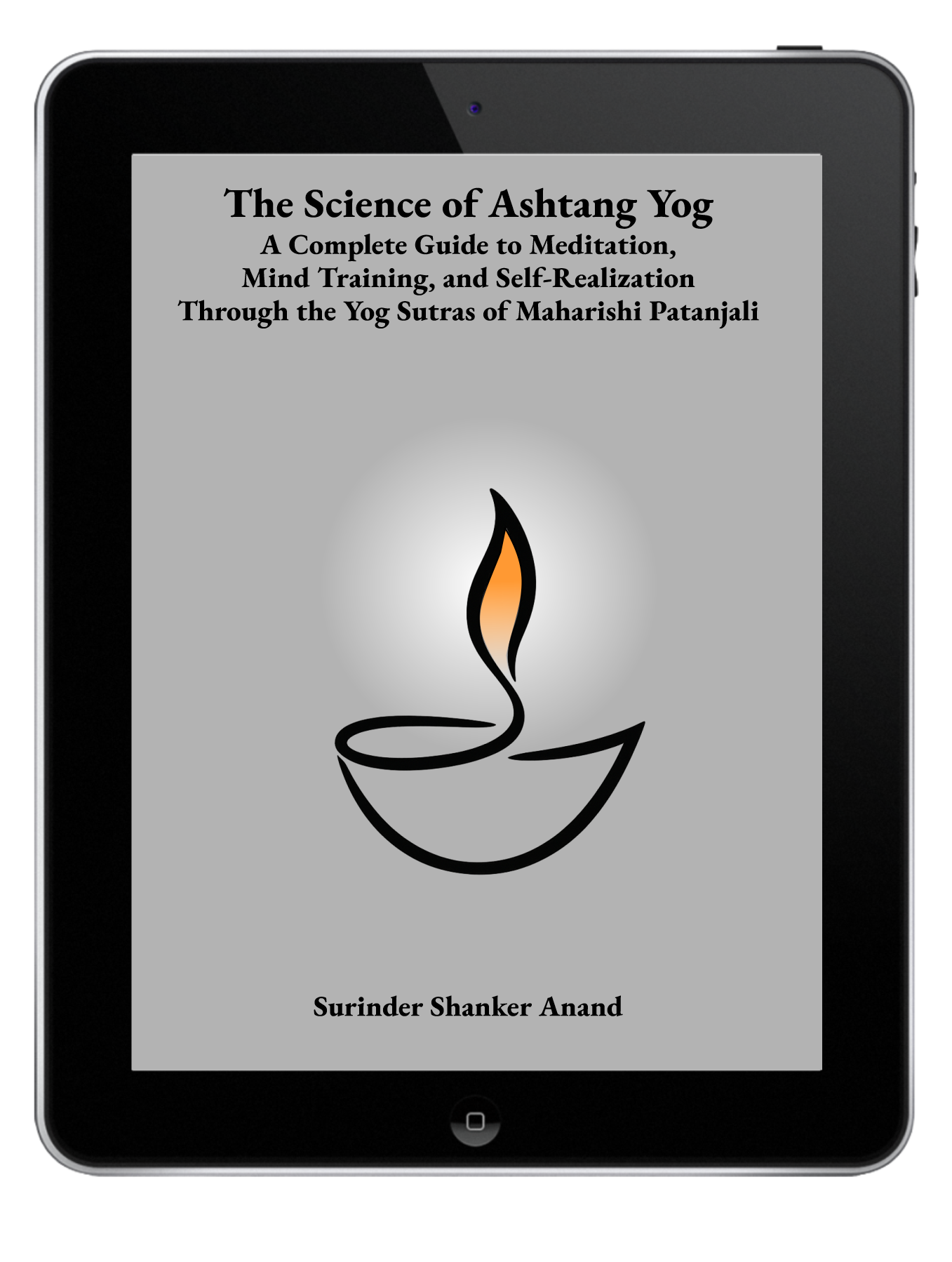
Buy the Book
Let’s take a closer look inside. Browse the look and feel, the front and back cover, table of contents, and sample pages at your own pace. A few flips and you will know this book belongs on your shelf.
A precise, systematic, and complete science of the mind, grounded in Patanjali’s Yog Sutras and the Samkhya framework. Explore the ancient path to meditation, inner stability, and true liberation.
Review the Content
A note on references: the chapter and section references cited throughout this work are intended as representative samples to aid orientation and understanding. Page numbers, where indicated, are approximate and may differ in the printed or published edition. Not all chapters and sections of the manuscript are displayed or referenced here; only a selection has been included for the purpose of illustration.
Why This Book Stands Apart
Other books on Yoga will meet you where you are comfortable. This one will take you where the tradition actually goes.
No blending of systems. No softening of technical depth. No mythology in place of philosophy. The Science of Ashtang Yog is one of the very few books in English to present Ashtang Yog in its complete philosophical integrity, explicitly grounded in Samkhya Darshan, with the Vyas Bhashya treated as the living heart of the teaching rather than an academic footnote.
Behind every page stands decades of personal Sadhana under realized Gurus: not theory rehearsed, but wisdom earned. That difference is felt on every page.
And because Yog Darshan is a living tradition, the book extends beyond its covers. Regular corrigendum, clarifications, updates, and new topics are published at ScienceOfAshtangYog.com, keeping serious students and seekers connected to the tradition as their understanding deepens.
Part 1: The Human Quest
- Preface
- Opening Reflections
- Magical Mirror
- Decoding the Magical Mirror
- Universal Struggle
- Foundation of Yog Darshan
- Scripture Yog Darshan
- Primordial Nature
- Individual Consciousness
- Special Consciousness
Part 2: The Architecture of Chitt
- Structure and Functions
- Modifications
- Afflictions
- Latent Impressions
- Sheaths
- States
- Transformation
- Restraint
Part 3: The Meditative Path
- Universal Process
- First Limb: Ethical
- Discipline
- Second Limb: Inner Discipline
- Third Limb: Posture
- Subtle Body
- Fourth Limb: Breath
- Fifth Limb: Withdrawal of Senses
- Sanyam
- Sixth Limb: Holding Attention
- Seventh Limb: Flow of Awareness
- Eighth Limb: Absorption
- Sanyam on knower
- Closing Reflection
- Secret Diary
Part 4: The Essential Reference
- Yog Sutras
- Yog Sutras Grouping
- Vyas Bhashya
- Inner Logic
- Topical Sutra Reference
- Logical Grouping of Key Terms
- Extended Table of Contents
- Key Yogic Terms Explained
Manuscript 126,600 Words 8,594 Lines Manuscript 425 Pages, 7 × 10 Inch Manuscript 38 Chapters Across 4 Sections Manuscript 195 Yog Darshan Sutras Manuscript 75 Topic Entries Manuscript 403 Glossary Terms Written For Meditation Practitioners Written For Philosophy Students & Scholars Written For Yog Teachers Written For Householders Written For Professionals & Business Leaders Written For Young Aspirants Written For Psychologists & Advanced Seekers
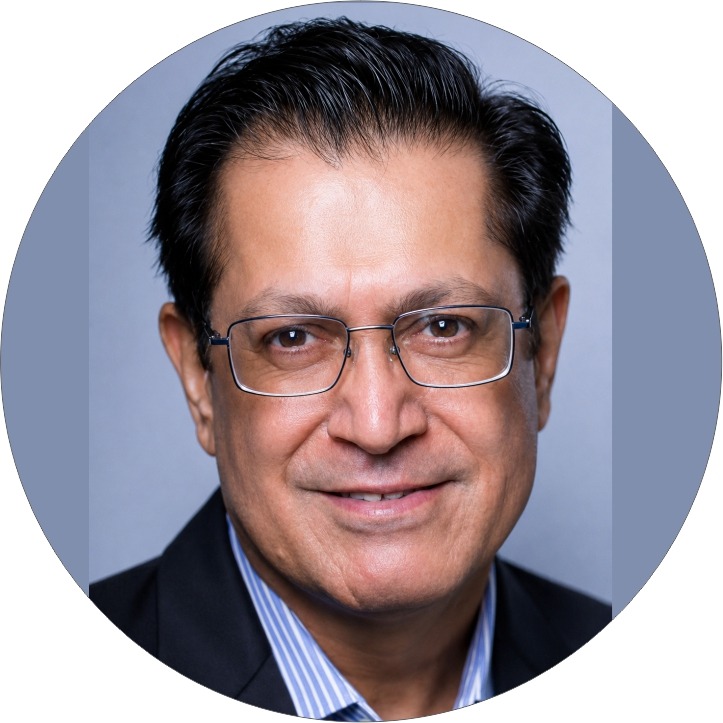
About the Author
Surinder Shanker Anand is a practitioner, student, and explorer of Yog Darshan
Testimonial from
a Meditation Practitioner
Chandigarh, India
I have known Surinder Shanker Anand for many years and have witnessed his practice, discipline, and inner journey firsthand. This book is not written from theory alone; it reflects his life long experience and sincere inquiry.
Surinder Shanker Anand is a technologist, artist, and Yog practitioner whose decades-long journey with Patanjali's teachings shaped every page of this book. A technologist's precision, an artist's clarity, a seeker's depth: rarely do all three arrive together in a single author.
Written for both the serious spiritual seeker and the everyday reader who simply wants to live better, this is one of the most structured, accessible, and experientially honest guides to Yog Darshan available today. What makes it truly rare is that the ancient science does not stay on the page: it enters you quietly, shifts something deep, and begins to work from the inside. And long after you close the book, your core gets re-oriented and calibrated towards a better life.
A must-have for every personal library. Read it, live it, and evolve into a more conscious, balanced, and genuinely happy human being.
Wishing Surinder every success with this remarkable work, and wishing every reader a transformative and joyful journey inward.
Beyond the Book Deeper into Darshan Blog on Yog Darshan
A living record of practice and study. Reflections, talks, events, videos, and writings on Yog Darshan.
The Science of Ashtang Yog
Yog Darshan Sutra Receitation
Corrigendum
Patanjali Yoga Sutras Ashtang Yog Eight Limbs Of Yoga Classical Yoga Philosophy Science Of Yoga Yog Darshan Samkhya Darshan Raja Yoga Maharishi Patanjali Yoga Sutras Explained In English Purush And Prakriti Kaivalya Liberation Avidya Ignorance Root Of Suffering Klesh Afflictions Yoga Vivek Khyati Discriminative Wisdom Vritti Nirodh Mind Control Chitt Nirodh Drashta And Drishya Indian Philosophy Of Consciousness Samkhya And Yoga Philosophy Vyas Bhashya Commentary Gunas Sattva Rajas Tamas Karma Samskar Vasana Kriya Yog Samadhi Stages Explained Dharana Concentration Practice Dhyan Unbroken Meditation Pranayam Breathwork Pratyahar Sense Withdrawal Yam Niyam Ethical Practice Sanyam Integrated Practice Abhyas And Vairagya Tapas Svadhyay Ishwar Pranidhan Ahimsa Satya Asteya Siddhis Supernormal Powers Ritambhara Prajna Truth-Bearing Wisdom Dharma Megha Samadhi Nirodh Samskar Meditation Guide Mind Training Breathwork And Meditation Stress Relief Through Yoga Mindfulness And Inner Peace Self-Realization Spiritual Awakening Consciousness Studies Yoga For Mental Health Ancient Wisdom Modern Life Yoga Philosophy Book Sanskrit Wisdom Explained Vedic Philosophy Yoga For Beginners And Advanced Patanjali Yoga Sutras In English Yoga As A Science Of Mind Yoga For Liberation Not Fitness Classical Yoga Vs Modern Yoga What Is Kaivalya In Yoga How To Practice Dharana And Dhyan Freedom From Suffering Yoga Samadhi Stages Progression Phonetic Sanskrit Yoga Book Ashtanga Yoga Philosophy Book Yoga Mind Training And Self-Realization Indian Philosophy For Modern Readers Yoga Sutras Complete Guide Patanjali Yoga Sutras Ashtang Yog Classical Yoga Eight Limbs Of Yoga Explained Samkhya And Yog Darshan Yoga For Self-Realization Mind Training Meditation Science Yoga Philosophy Beginners And Advance Nervous System Regulation Through Meditation